Blog

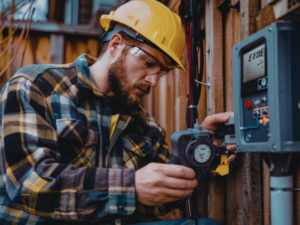
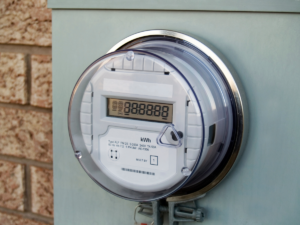
Electrician inspecting electrical meter that needs to be replaced

Does My Meter Need to Be Replaced?

An electrical meter tracks how much electricity you use so that you can be billed accurately. This is not a part of your home that requires frequent replacement. In fact, you probably rarely think of your meter at all unless there is a problem. However, meters do wear out over time, and they may also need to be replaced if they are damaged or there are code changes or electrical upgrades. In the article below,
Read More »
Electrical meter and meter box for residential property

Who Is Responsible for Replacing an Electric Meter Box?

Briefly, the utility company is responsible for replacing the electric meter, which is the apparatus that measures the amount of electricity used, usually on a monthly basis. The homeowner is responsible for replacing the meter box, which is the apparatus housing the meter, often called the meter can. Generally, the utility company is responsible for installing, maintaining, and keeping the lines to the house in good working condition. The homeowner is typically responsible for all

Read More »
Electrician installing LED light fixture

How Long Do LED Light Fixtures Last?

Today, LEDs are the most common residential lighting source. Homeowners use LED lighting because it’s energy efficient, long-lasting, and cost-effective. Residential LED bulbs and fixtures typically last between 25,000 and 50,000 hours, or about 10 to 20+ years. Factors like fixture quality, heat management, and electrical stability can affect how long the lamps actually last. Professionally installed, high-quality fixtures with sufficient heat dissipation often outlast their expected lifespan. In general, LED lighting is low maintenance

Read More »
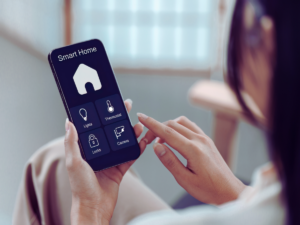
Woman controlling smart lights with phone

Do Smart Lights Use More Electricity?

Smart lighting is a system that uses LED lights that are controlled through phone apps, hubs, or voice assistants (like Alexa or Siri). Generally speaking, they do not use more electricity than standard LED bulbs, although they may use small amounts of standby electricity. In fact, they often include features like dimming and automation that reduce their overall electricity usage. Let’s take a closer look at smart lights, how they work, and how they affect

Read More »
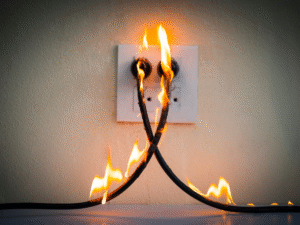
Fire cause by loose electrical outlets

Are Loose Electrical Outlets a Fire Hazard?

Loose electrical outlets are a clear fire hazard. Once the outlet no longer holds a plug tightly or begins to move around in the wall, it can cause loose wiring connections. Loose electrical connections can cause arcing and generate heat, which raises the risk of electrical fires. Quick Takeways Yes, a loose electrical outlet poses a fire risk. Loose connections can increase electrical resistance. Increased electrical resistance generates heat. Heat and electrical arcing can ignite

Read More »
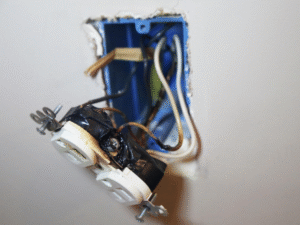
Burnt outlet due to backstabbing

Are Backstabbing Outlets Safe?

Backstabbing outlets aren’t the safest wiring method. While some electrical codes allow them in certain situations, they often create weaker connections that loosen over time and generate heat. This increases the risk of outlet failure and electrical fires. The article explores what backstabbing outlets are, how they work, why they can become dangerous, and why electricians prefer not to use them. Quick Takeaways Backstabbing uses spring clips instead of screw terminals. Spring connections loosen over

Read More »
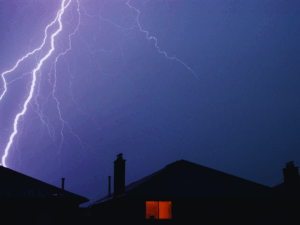
Lightning strikes Daytona, FL home

5 Steps To Take If Lightning Strikes Your House

While lightning strikes are relatively rare events, they can cause serious damage. Hidden electrical damage can eventually lead to fires or electrical shock, so it’s important to get this damage checked out right away. By working with a licensed electrician, you can quickly get your post-strike damage evaluated and repaired. Quick Takeaways Ensure your family is safe first. Never touch your electrical panel or damaged wiring. Check for damage. Remember that lightning can cause damage

Read More »
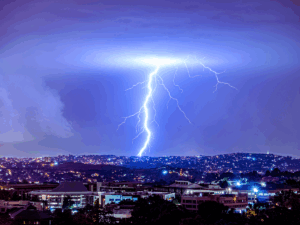
Lightning strike in Daytona, FL

What Happens When Lightning Strikes a Home?

It may come as a surprise, but lightning doesn’t need to strike your home directly to cause damage. It can strike a nearby power line, which can send a surge of electricity through your electrical system. That surge can damage your appliances, trip your breakers, and even cause hidden damage, like melted wires behind your walls. When lightning strikes your home or the area around it, it’s important to contact a licensed electrician. Licensed electricians

Read More »
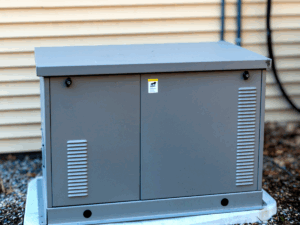
Generator with proper amount of surge watts

What Are Surge Watts?

You have to know your appliances’ starting and running wattages to pick the correct size generator. “Surge watts” is just another term for starting watts, which is how many watts an appliance draws to start up its motor. The right-sized generator will produce enough watts to cover your appliances’ starting and running loads. Quick Takeaways Surge watts, also commonly referred to as starting watts or peak watts, are the amount of power that a generator

Read More »
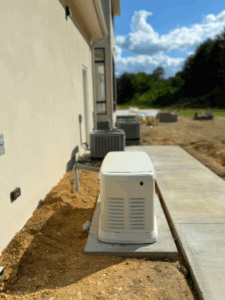
Properly sized generator outside Daytona, Florida home

What Size Home Generator Do I Need?

Florida is no stranger to severe storms and hurricanes that cause power outages. Having backup power to run your AC and sump pump is crucial to keeping your home safe. Backup power is also vital for running medical devices like oxygen concentrators or CPAP machines during power outages. But you must have the correct size generator to ensure you can keep all of your major appliances and essential systems running. You’ll know your exact generator

Read More »