Smart lighting is a system that uses LED lights that are controlled through phone apps, hubs, or voice assistants (like Alexa or Siri). Generally speaking, they do not use more electricity than standard LED bulbs, although they may use small amounts of standby electricity.
In fact, they often include features like dimming and automation that reduce their overall electricity usage. Let’s take a closer look at smart lights, how they work, and how they affect your home’s electricity usage.
Quick Takeaways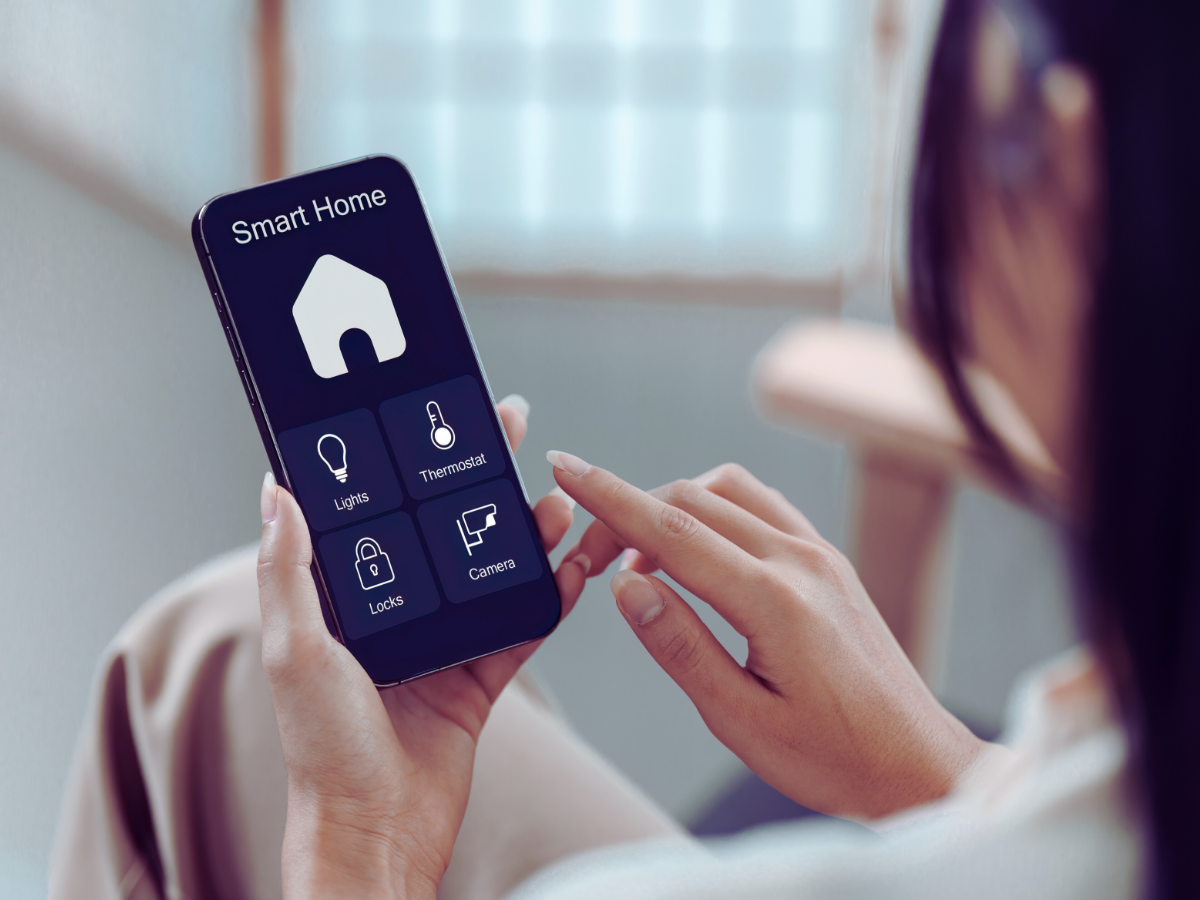
- Smart lights generally use the same amount of electricity as standard LED bulbs
- They consume a very small amount of standby power when off
- Standby electricity is usually less than one watt
- Automation features can reduce a home’s overall energy consumption
- Scheduling and dimming can help homeowners save electricity
- Professional installation ensures smart lights are installed safely and correctly
How Smart Lights Use Electricity
Electricity Use When the Light Is On
When the light is on, LED smart bulbs use 7-10 watts of energy, comparable to other LED bulbs. By comparison, traditional incandescent bulbs use 60 watts for the same amount of light.
Standby Power When the Light Is Off
Unlike standard LEDs or incandescent bulbs, Smart Lights still use energy even when turned off. However, it’s a very small amount, usually between 0.2 and 0.5 watts, just enough to stay connected to Bluetooth or WiFi to receive commands.
Do Smart Lights Cost More to Run?
Smart lights typically cost less to run compared to traditional incandescent bulbs, usually about five times less. A traditional 60W bulb lasts about 1,000 hours and costs between $8.50 and $10 per year. By comparison, a smart LED Bulb can last up to 25,000 hours and costs between $1.50 and $3.
Smart lights do cost slightly more than standard LED bulbs due to the small amount of electricity they use to pick up WiFi or Bluetooth signals while turned off, but it’s not more than a few cents per year. With automation and dimming reducing the electricity costs needed by drawing less power, they often cost less.
Ways Smart Lighting Can Reduce Electricity Use
 Automatic scheduling: You can automatically schedule the lights to turn off when the home is empty, or everyone is sleeping.
- Motion sensor lighting: If a room is not in use, motion-sensing lights can turn off automatically until someone walks into the room.
- Dimming controls: Instead of using full brightness all the time, you can dim lights as you see fit to use less power
- Remote shut-off through apps: If you accidentally leave the lights on or want to turn lights on or off without getting up, simply press the button in the phone app or through a voice assistant.
- Integration with smart home systems: Smart homes are the wave of the future, and smart lighting fits seamlessly into many smart home systems and apps.
Smart Lights vs Regular LED Bulbs
When powered on, smart LED and regular LED bulbs generally consume the same amount of energy. However, regular LED bulbs don’t draw electricity when powered off in the way that smart bulbs do, because they don’t receive WiFi or Bluetooth signals the way a smart LED bulb would.
However, smart LED bulbs are often able to make up that difference (and more) through automation, motion sensing, and other smart features. Over time, both represent a significant savings over traditional light bulbs. Regular LEDs might save a few cents every month over smart bulbs when used for the same duration, but smart LEDs give you a greater level of control over when those bulbs are used.
Smart lights are best for homeowners who want the convenience of using an app, hub, or voice assistant, have other smart devices, want to lower their monthly energy costs, or want the option to dim, change color, or otherwise customize their home’s lights.
Frequently Asked Questions
Do smart lights use electricity when turned off?
Yes, although it is very minimal. Smart lights typically use between 0.2 and 0.5 watts per hour when turned off.
Are smart bulbs more efficient than regular bulbs?
A smart bulb typically uses 10 watts when on, which is much less than a standard bulb that operates between 40 and 100 for the same room. They can also be dimmed, unlike standard bulbs, which makes them even more efficient.
How much electricity does a smart bulb use per month?
It depends on several factors, but if your electrical company charges 15 cents per kilowatt-hour and you use a smart bulb 8 hours a day, the cost would come to 35 cents per month.
Can smart lights reduce my electric bill?
Yes, in addition to smart lights drawing less power and being more efficient than traditional incandescent bulbs, smart lights also reduce energy costs in other ways. With automation and scheduling, you can turn off lights in rooms that aren’t being used, which lowers costs. Dimmed lights are also significantly less expensive than those at full power, which other bulbs can’t do.
Upgrade Your Lighting with Professional Installation in Daytona
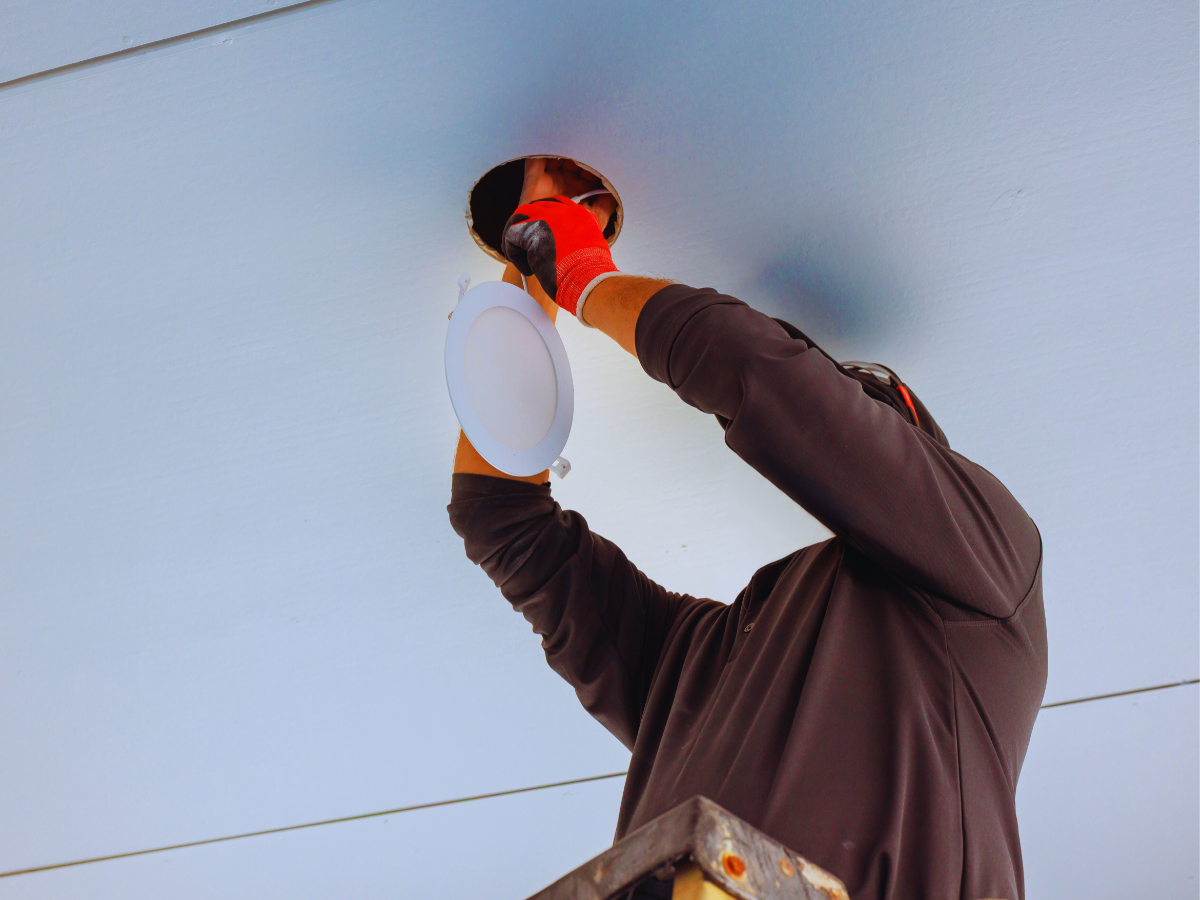
 At Mr. Sparky of Daytona, our electrical experts can help you lower your monthly energy bill by professionally installing smart lighting fixtures throughout your home. We’ll help you choose the right smart lighting options and make sure everything is wired correctly and safely.
If you’re ready to revolutionize your home’s lighting with smart LED lights in Daytona, Florida, or the surrounding area, don’t put up with any malarky – call Mr. Sparky today!