Today, LEDs are the most common residential lighting source. Homeowners use LED lighting because it’s energy efficient, long-lasting, and cost-effective. Residential LED bulbs and fixtures typically last between 25,000 and 50,000 hours, or about 10 to 20+ years.
Factors like fixture quality, heat management, and electrical stability can affect how long the lamps actually last. Professionally installed, high-quality fixtures with sufficient heat dissipation often outlast their expected lifespan.
In general, LED lighting is low maintenance and versatile, with customizable options that will enhance the aesthetic of your home, work well with smart controllers, and serve you well for years.
Below, we’ll cover the longevity of LED fixtures and explain why they last longer than traditional bulbs. We’ll also touch on factors that can affect your fixtures’ resilience, compare LEDs to other types of lighting, and discuss repair and replacement.
Quick Takeaways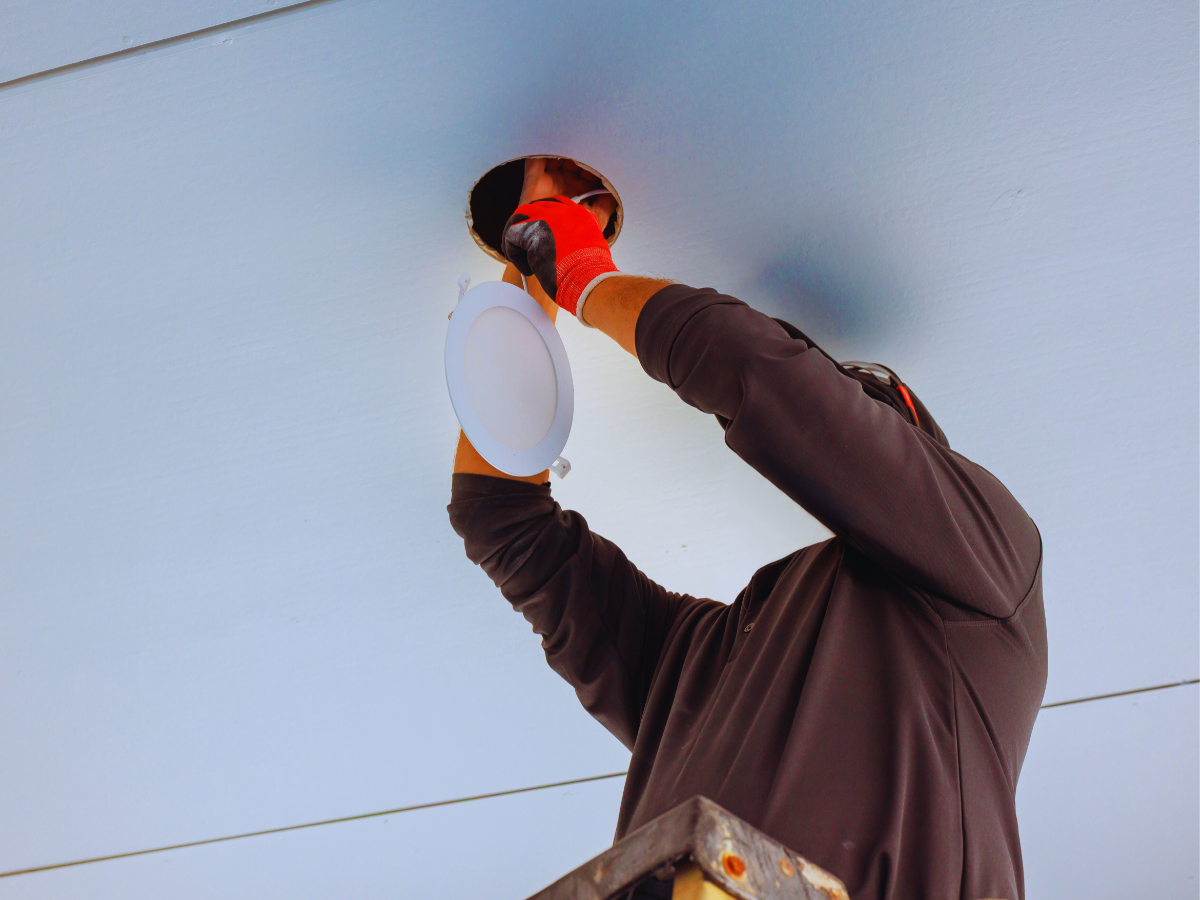
- LED light fixtures typically last 25,000 to 50,000 hours or more.
- Most fixtures will work for 10–20 years with typical home use.
- LEDs gradually dim over time instead of suddenly burning out.
- Heat, electrical quality, and fixture design can affect the lifespan of your lighting.
- Properly installed, high-quality LED lighting fixtures last longer.
- Professional light fixture installation ensures safe operation and optimal performance.
Average Lifespan of LED Light Fixtures
When you’re looking at the longevity of different lighting options, the rated lifespan of an LED fixture describes how many hours it’s expected to last until its brightness drops to 70%, the “L70” time that indicates its end of life. Most LED fixtures have a 25,000 to 50,000-hour rating, and some are rated even higher.
Unlike bulbs that burn out suddenly, LEDs slowly dim over time unless their drivers fail. Most high-quality residential LED fixtures can work well for 20 years or more. In the real world, heat management, electrical voltage stability, and daily usage heavily influence a fixture’s longevity.
People who use their lights for three to five hours a day may see them last two decades or more, especially if they’re using built-in, integrated LED fixtures with proper heat sinks. On the other hand, poor-quality fixtures installed in badly ventilated areas with unstable power may fail early.
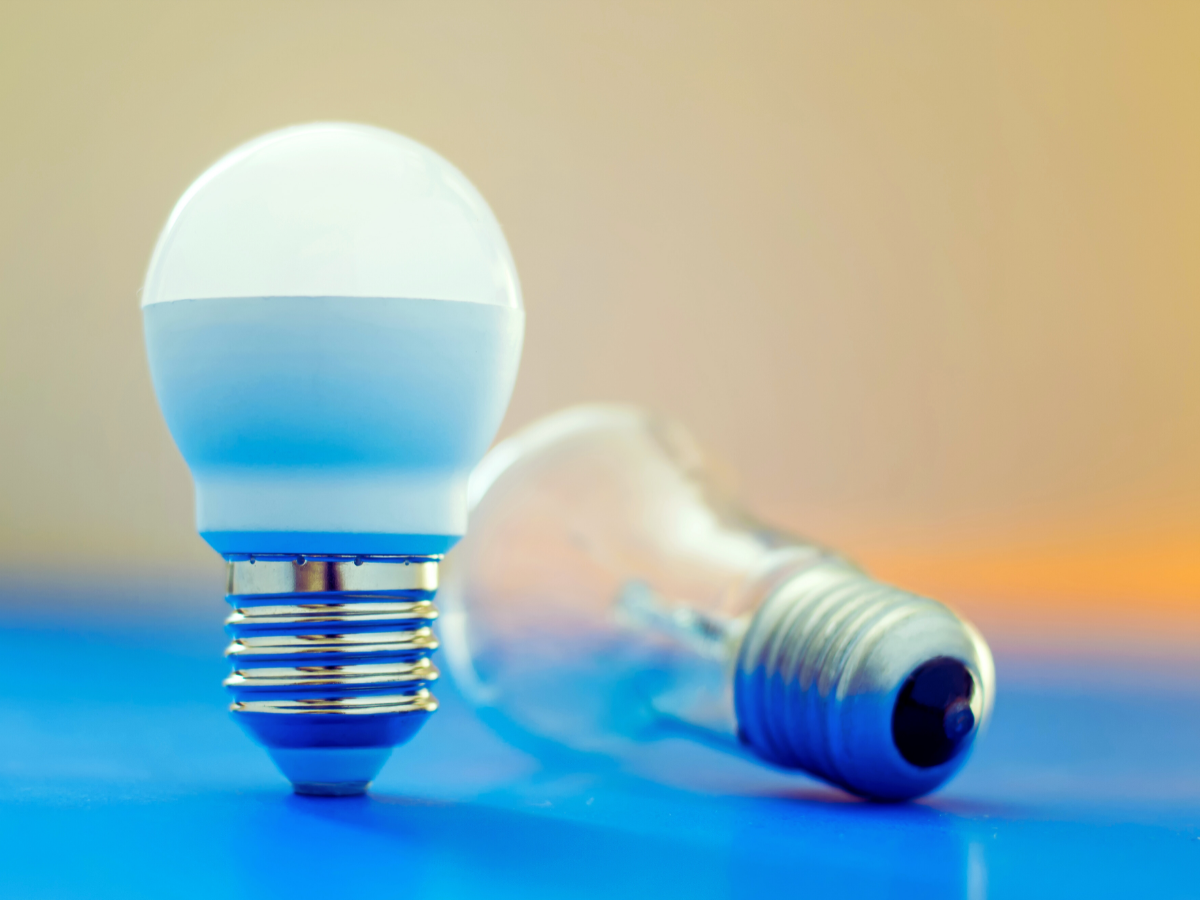
It’s also important to note that the type of LED lighting you choose can affect how long it lasts. Screw-in LED bulbs that work in traditional fixtures are easy to install and replace. Integrated fixtures are designed as self-contained units that get hardwired into your circuitry. LED bulbs cost less than integrated LED fixtures up front, but they don’t last as long and need to be replaced more frequently.
Why LED Light Fixtures Last Longer Than Traditional Bulbs
LED light fixtures last longer than traditional bulbs because they are designed differently:
LED Technology Produces Less Heat
LEDs are solid-state devices that efficiently convert up to 90% of the energy they use into light while producing relatively little heat. Since LED fixtures operate at relatively cool temperatures, they put less strain on their components over time, which helps them last longer.
No Fragile Filaments
LEDs use electroluminescence instead of combustion or fluorescence to produce light. Unlike incandescent bulbs, LEDs produce light as electric current passes over a robust ceramic diode, while incandescent and halogen lamps produce light and heat as current passes through a delicate metal filament. CFLs produce light when current interacts with mercury vapor and causes fluorescence.
Gradual Light Output Reduction
Traditional bulbs typically fail abruptly when their filament or ballast breaks. LED fixtures experience “lumen depreciation,” which means they slowly and gradually lose brightness over many years.
Factors That Affect How Long LED Fixtures Last
While LED lighting is designed to last for years, certain external factors can cause it to fail early, including:
 Heat buildup inside the fixtures: Excess heat can cause the components that control the flow of current to the light-emitting diodes to degrade and break, shortening the fixture’s life span.
- Quality of LED components and drivers: High-quality LEDs use carefully engineered drivers, materials, and heat sinks that provide tens of thousands of hours of consistent light output. Lower quality LED fixtures may have an inferior design and be made with less durable materials that dim or fail outright more quickly.
- Electrical voltage stability: LEDs operate best with a stable source of electricity. Sudden voltage drops or spikes can damage an LED fixture’s electronics and drivers.
- Fixture ventilation and design: LEDs experience less wear and tear when temperatures are cool. If they’re installed in an enclosed space where heat can build up, they may fail prematurely.
- Installation quality: Installing high-quality LED fixtures in a space with proper heat management and a regulated, up-to-date power source is the key to their longevity and performance.
- Environmental conditions such as humidity or dust: While LED fixtures are built to be durable, humidity and dust can cause their components to deteriorate, malfunction, and potentially break.
LED Fixture Lifespan vs. Other Types of Lighting
Out of all the residential lighting options on the market, LED fixtures last the longest. Here’s how the expected life spans of different lighting types compare:
- Incandescent bulbs: 750 – 2,000 hours
- Halogen bulbs: 2,000 – 4,000 hours
- CFL (compact fluorescent) bulbs: 6,000 – 20,000 hours
- LED bulbs: 25,000 – 50,000+ hours
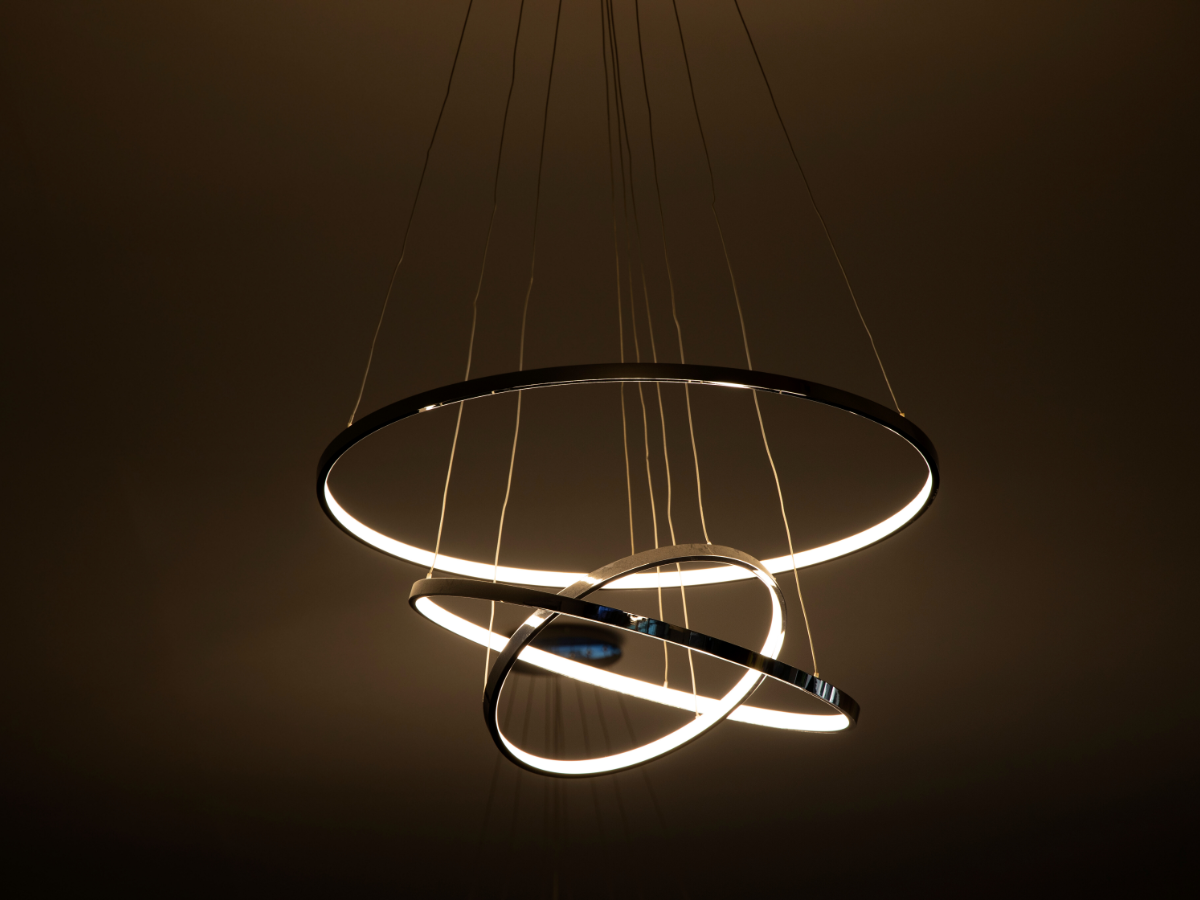
- Integrated LED fixtures: 40,000 – 100,000+
LEDs significantly outperform older technologies because they can run efficiently and last decades without sacrificing quality. LEDs are bright and render colors well, making them convenient, practical, and pleasant to use at home.
Signs an LED Light Fixture May Need Replacement
While LED lighting will perform reliably season after season, you may eventually need to replace your fixtures. Here are some signs it’s time for a change:
Noticeable Dimming
 When incandescent bulbs and CFLs burn out, they leave you in the dark. LEDs lose brightness gradually, but if your space seems unusually dim after time passes, your fixtures may be ready for replacement.
Flickering Lights
The electronics within LED fixtures are designed to produce a consistent stream of light. Noticeable or frequent flickering can indicate that your fixtures’ internal components are failing.
Driver Failure
If your LED fixtures are buzzing, humming, or hot to the touch, you could have a failing driver. If your lights don’t work at all with the power switched on, it’s likely that the fixture’s drivers are broken.
Color Changes
New LED fixtures are designed to emit light that has a specific color temperature. As time passes, the color of this light can shift and change. If your warm white LED light becomes cooler or more blue, or if the lens over the emitter turns yellow, you may want to replace your fixtures.
Inconsistent Brightness
If your LED fixtures emit light inconsistently and vary in brightness, their internal components could be compromised. If your lights are receiving a consistent supply of power, the fixtures may need to be changed.
Frequently Asked Questions
How many years do LED light fixtures typically last?
Most residential LED light fixtures are rated to last 25,000 to 50,000 hours, which is equivalent to 20 years or more with normal use. If you use your lights about 3 hours per day, they could last longer than 20 years. If you use your lights eight hours per day, they could last up to 17 years or more. Keep in mind that excess heat and frequent switching can shorten your fixtures’ lifespan, and low-quality fixtures will not last as long.
Do LED fixtures burn out like regular bulbs?
Unlike regular incandescent bulbs, LED fixtures don’t burn out and go dark all at once. Instead, they gradually get dimmer via “lumen depreciation” and reach their end of life when they are 70% as bright as they were originally. Under adverse conditions, LED fixtures can experience sudden failure if their driver breaks.
What shortens the lifespan of LED lights?
The lifespan of LED fixtures can be cut short by overexposure to heat, voltage fluctuations, and low-quality components that lead them to wear out faster. If a fixture’s components degrade quickly, the lamp may dim prematurely, experience a color shift, or stop working entirely.
Can LED fixtures be repaired, or do they need replacement?
Some high-quality residential LED fixtures are designed with modular, replaceable electronic components. An electrician can repair these fixtures by swapping in a new driver or light engine as needed. Other budget-friendly, fully integrated units that are sealed or lack removable parts may require full fixture replacement if they fail.
Are integrated LED fixtures better than replaceable LED bulbs?
Integrated LED fixtures are generally considered “better” if you want low-maintenance, high-performance lighting with enhanced longevity and variable lighting control. If you’re budget-conscious and want a consistent source of light, LED bulbs may meet your needs.
Upgrade Your Lighting With Professional Installation in Daytona
 When you’re ready to modernize the lighting in your home, call Mister Sparky of Daytona. Our licensed electricians specialize in the safe installation of LED light fixtures for residents in the Daytona, FL, area and beyond. We’ll help you select the best contemporary, energy-efficient lighting for your needs and provide professional electrical wiring and setup to ensure your system performs reliably.
To get the top-quality residential LED lighting you want, don’t put up with any malarky! Schedule professional light fixture installation with Mister Sparky of Daytona today!