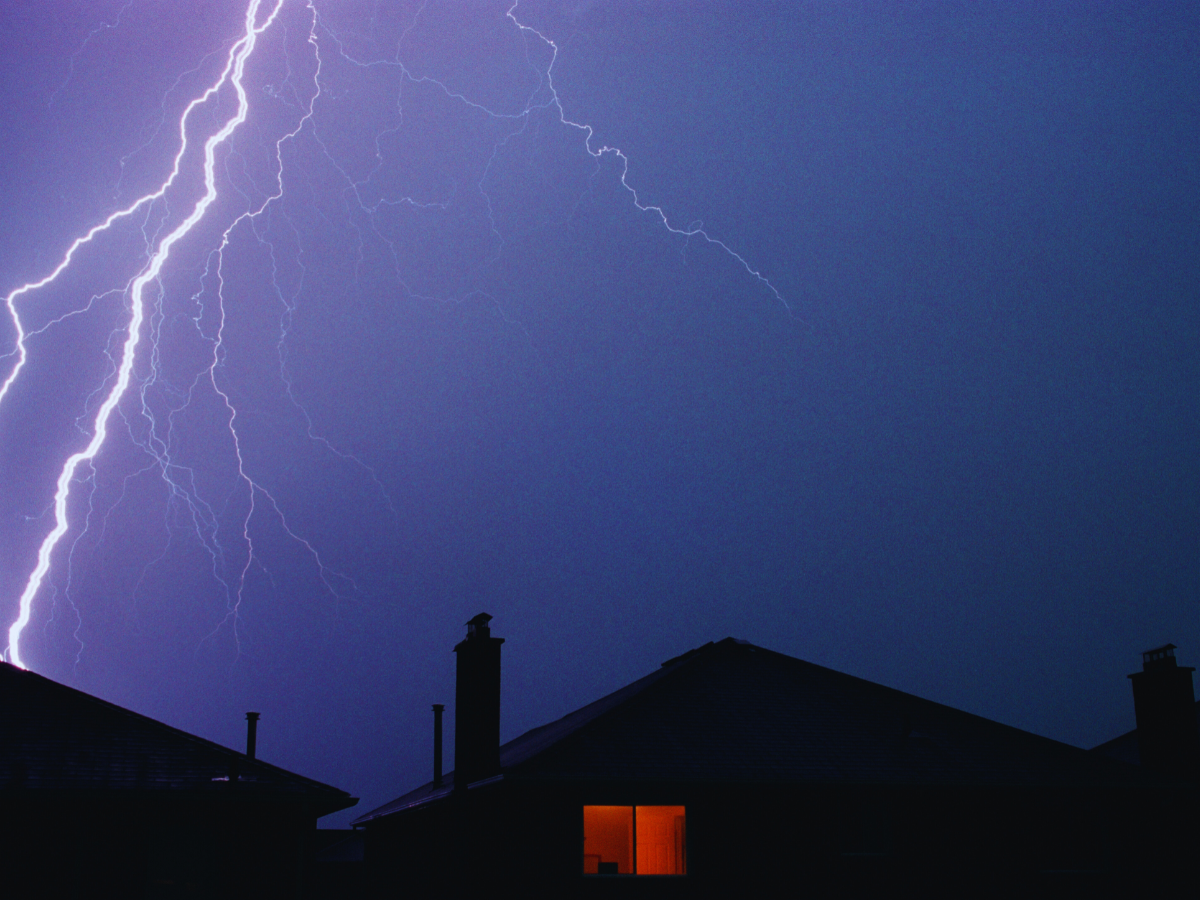
While lightning strikes are relatively rare events, they can cause serious damage. Hidden electrical damage can eventually lead to fires or electrical shock, so it’s important to get this damage checked out right away. By working with a licensed electrician, you can quickly get your post-strike damage evaluated and repaired.
 Quick Takeaways
- Ensure your family is safe first.
- Never touch your electrical panel or damaged wiring.
- Check for damage. Remember that lightning can cause damage without creating any obvious signs.
- When it is safe to do so, you should turn off your sensitive electronics.
- Schedule a professional electrical inspection as soon as possible.
What To Do Immediately After Lightning Strikes Your House
If your house is hit by lightning, there are five essential steps you should take to ensure your family and home are protected from harm.
Step 1: Make Sure Everyone Is Safe
First, check your family for injuries. If you notice any burning odors, the smell of smoke, or indications of a fire, you should leave your home immediately. Then, call 911 for help.
Step 2: Do Not Touch the Electrical Panel or Wiring
Residual electrical energy can cause an electric shock, so don’t open your electrical panels or touch the breakers.
Step 3: Look for Obvious Signs of Damage
Lightning can cause hidden damage, so a professional inspection is essential. However, there are a few obvious signs you can look for on your own.
- Burning smells
- Smoke
- Tripped breakers that won’t stay on
- Scorch marks
- Damaged electronics
Step 4: Safely Unplug Sensitive Electronics If Possible
If you notice any signs of damage or indications of a fire, don’t wait around. However, once it is safe, you should unplug your sensitive electronics. Doing so can prevent electrical fluctuations from damaging your electronics.
Step 5: Schedule a Lightning Strike Electrical Evaluation
Once you’ve handled these immediate safety tasks, the next step is to call one of our professional electricians. Hidden damage is common after lightning strikes, so you should get an electrical safety inspection right away.
Does Lightning Have To Hit Your House Directly To Cause Damage?
Unfortunately, indirect strikes, surges in the utility lines, and strikes nearby can still cause damage to your home’s electrical systems. Because of this, any lightning strike near you is a sign that you should schedule a professional inspection.
How Lightning Damages a Home’s Electrical System
When lightning hits your house, the high voltage seeks a conductive path to the ground. Energy travels through your wiring and grounding system, which can cause your breakers and components to become overloaded.
Your electrical systems weren’t designed to carry this type of load, which is why it can cause damage to all of your system’s components.
Electrical Components Most at Risk After a Lightning Strike
Some of your electrical systems are more at risk than others.
- Heating, ventilation, and air conditioning (HVAC) equipment
- Wiring that is inside your walls
- Electrical panels and breakers
- Grounding and bonding systems
- Appliances and electronics
- Surge protectors
Signs of Hidden Electrical Damage After a Lightning Strike
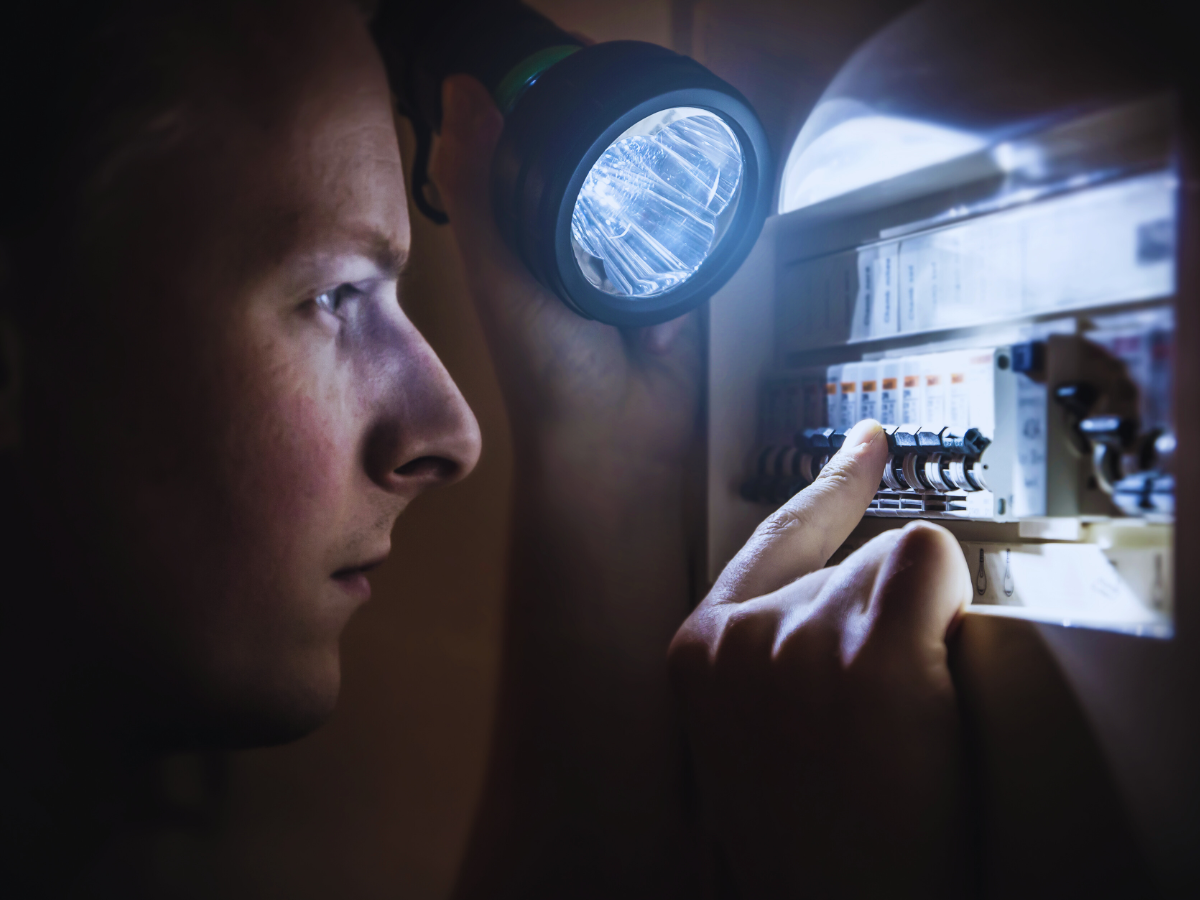 If you notice flickering lights, faulty GFCI outlets, malfunctioning electronics, warm outlets, or switches that feel hot to the touch, you may have sustained electrical damage. Similarly, you should call for help if your breakers keep tripping repeatedly.
Why You Should Not Ignore Lightning Strike Electrical Damage
Ignoring a lightning strike can lead to a major fire risk, insurance complications, code violations, and equipment failure, so don’t wait to get help.
What a Professional Lightning Strike Evaluation Checks
During a professional inspection, we will check the integrity of your electrical panel, breakers, circuits, grounding systems, HVAC connections, major appliances, and bonding systems. We’ll ensure your system is safe and in compliance.
Why Lightning Strike Evaluations Are Especially Important in Florida
Getting an evaluation is especially important in Florida because of the area’s storm-related utility surges, frequent lightning strikes, and storm patterns. High moisture levels and heavy air conditioning loads also make lightning strikes more impactful.
Frequently Asked Questions
What should I do first if lightning strikes my house?
You should check for injuries and evacuate your loved ones to safety. Then, call 911. Firefighters have thermal imaging technology that can detect hidden fires. If there is damage, document everything for your future insurance claim.
Can lightning damage wiring inside walls?
Absolutely. Lightning can cause power surges that melt the wiring’s insulation, leading to overheating and a potential fire hazard.
Is it safe to reset breakers after a lightning strike?
If you don’t smell unusual odors, hear buzzing, or see scorch marks, you can generally try resetting the breakers after a lightning strike. However, you should immediately call for help if it trips again right away.
How soon should I have my electrical system inspected?
After a lightning strike, we recommend getting your electrical system inspected within the next 24 to 48 hours to ensure your family’s safety.
Can lightning cause a fire hours or days later?
Yes, it can. Smoldering can last for days. Then, when wind or dry conditions provide the right environment, the smoldering fire can erupt.
Will my surge protector prevent all lightning damage?
While a surge protector won’t protect against 100% of damage, it will provide significant protection from sudden electrical surges.
Is lightning damage covered by homeowners insurance?
In most cases, homeowners insurance does cover lightning strikes. However, you should read through your policy because this can vary from one insurer to the next.
Protect Your Home From Lightning Damage
 When lightning strikes, you need a trusted electrician on hand to check for damage. As Daytona’s on-time electricians, our team offers a safe, prompt service for local residents.
Our experienced team is ready to help homeowners throughout Daytona and the surrounding areas. Schedule your evaluation today!